Your Role is your permission!
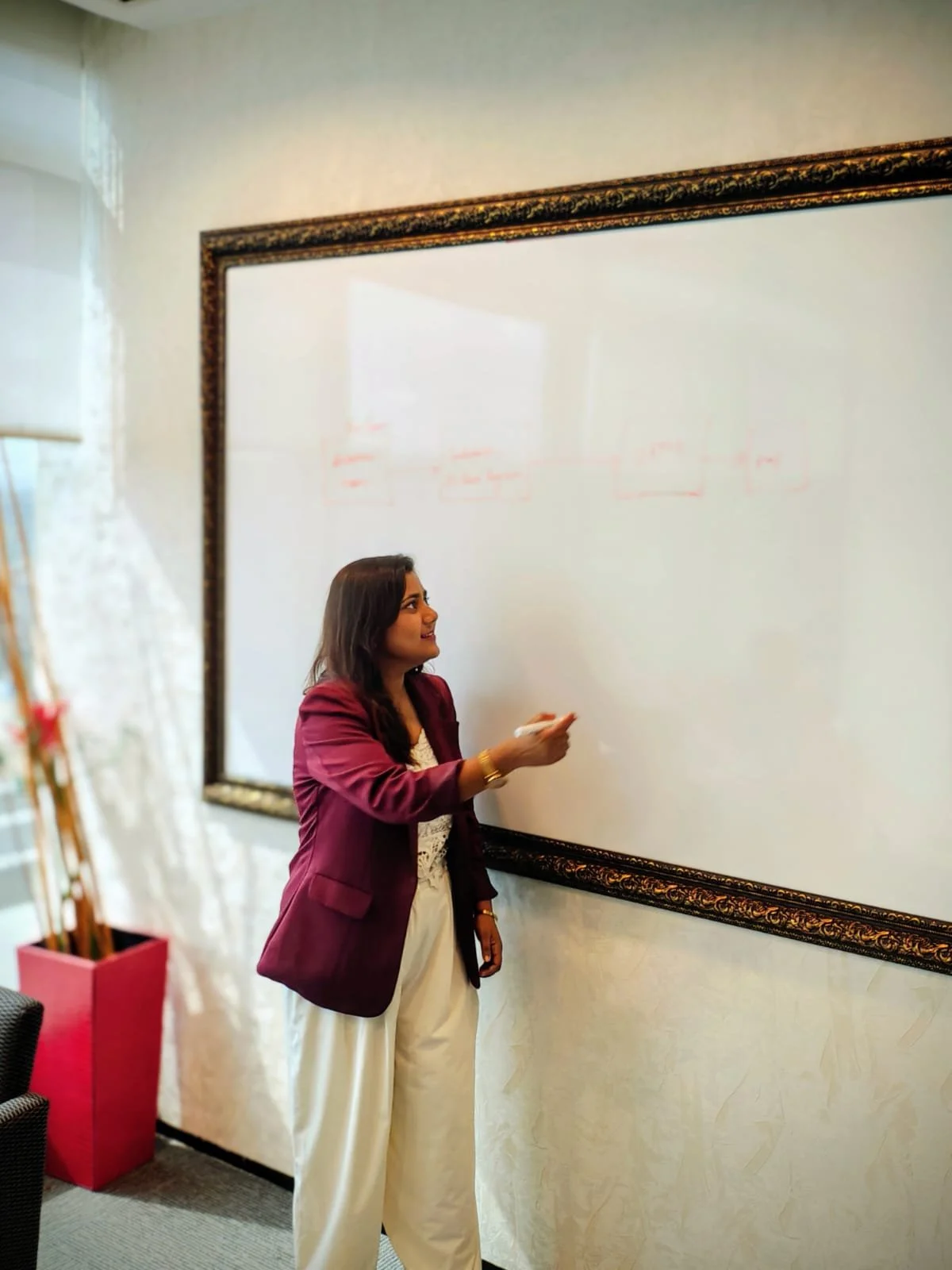
One of the unexpected lessons I've learned from stepping into problems outside my formal scope is that the benefit extends far beyond solving the immediate issue.
When we take ownership beyond our job description, we naturally expand our impact. We begin to see the business more holistically, understand competing priorities, and appreciate the interconnected nature of decisions across teams. What starts as an effort to unblock a project often becomes an opportunity to develop a broader perspective. Over time, this is what prepares us for larger and more complex responsibilities. Leadership capability is rarely built in isolation; it is built through exposure to challenges that stretch us beyond our comfort zone.
It also creates something valuable for both the individual and the organization: a low-risk way to test readiness for the next level. Many professionals assume they need a promotion before they can demonstrate leadership. In reality, most organizations promote people after they have already shown signs of operating at a higher level. Every time you step forward to align stakeholders, resolve ambiguity, drive decisions, or navigate competing interests, you're providing evidence—not just to others, but to yourself—that you're capable of handling greater responsibility. The title eventually becomes a recognition of behaviors that are already visible.
Perhaps most importantly, these experiences develop one of the most critical leadership skills in modern organizations: the ability to influence without authority. In a world where work increasingly spans functions, geographies, and reporting structures, success rarely comes from hierarchical power alone. Product leaders, transformation leaders, and executives spend much of their time working through people who do not report to them. They persuade, align, negotiate, build trust, and create momentum. Taking ownership of problems that sit outside your direct control becomes a powerful training ground for developing this kind of lateral leadership.
Looking back, many of the experiences that contributed most to my own growth were not assignments that appeared neatly in a role description. They were moments where I saw friction slowing progress and decided to help move things forward. At the time, it didn't feel like leadership development. It felt like solving a problem. But in hindsight, those moments were teaching me how to think bigger, influence broader, and operate beyond the boundaries of my title.
That's why I believe so strongly that your role is your permission. Not because every problem belongs to you, but because leadership is developed through ownership long before it is formalized through a promotion. The people who grow into larger roles are often the ones who have already been practicing them in small but meaningful ways for years.
